
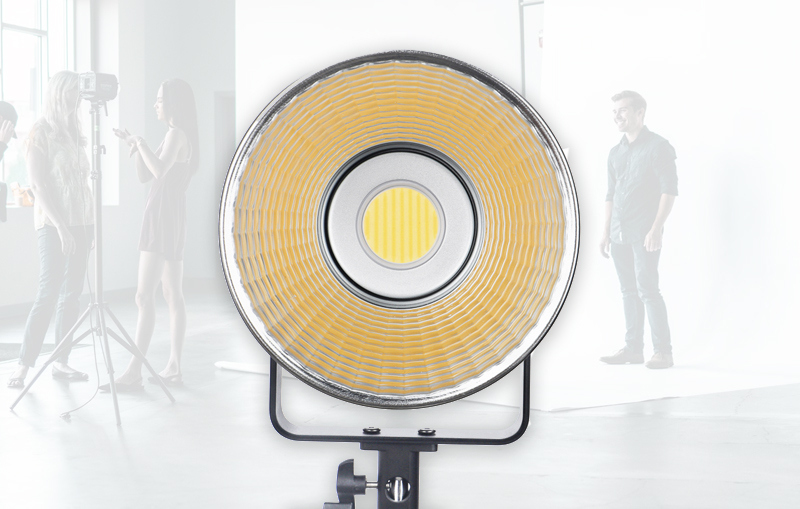
Oświetlenie stałe w studiu fotograficznym lub filmowym stanowi fundament twórczego procesu, determinując ostateczny wygląd obrazu. Bez względu na to, czy jesteś początkującym fotografem, czy doświadczonym reżyserem, zrozumienie podstawowych koncepcji oświetleniowych jest kluczowe dla osiągnięcia pożądanych efektów w twojej pracy.

Oświetlenie stałe w studiu fotograficznym lub filmowym odgrywa kluczową rolę w kształtowaniu atmosfery, nastroju i ogólnej jakości obrazu. Niezależnie od tego, czy jesteś początkującym fotografem czy doświadczonym filmowcem, zrozumienie podstawowych koncepcji oświetleniowych jest niezbędne dla osiągnięcia pożądanych efektów w twojej pracy. W tym artykule przeanalizujemy siedem istotnych rzeczy, których warto się nauczyć o oświetleniu stałym w studiu.

Oświetlenie stałe w studiu: podstawowe informacje

Oświetlenie stałe, w przeciwieństwie do oświetlenia błyskowego, emituje stałe światło, co umożliwia precyzyjną kontrolę nad oświetleniem w czasie rzeczywistym. Jest to kluczowy element w procesie produkcji zdjęć i filmów, ponieważ pozwala na uchwycenie odpowiedniego oświetlenia i cieni, co ma kluczowe znaczenie dla końcowego efektu wizualnego.

Temperatura barwowa światła stałego

Temperatura barwowa jest jednym z najważniejszych czynników wpływających na wygląd obrazu. Oświetlenie stałe może mieć różne temperatury barwowe, wyrażane w kelwinach (K). Światło dziennego ma zwykle temperaturę około 5600K, podczas gdy światło żarowe oscyluje w okolicach 3200K. Wybór odpowiedniej temperatury barwowej ma kluczowe znaczenie dla zachowania naturalności kolorów w fotografii i filmie.

Rodzaje świateł stałych

W studiu fotograficznym lub filmowym można spotkać różnorodne rodzaje świateł stałych, każdy z własnymi cechami i zastosowaniami. Lampy ciągłe, reflektory, światła LED i fluorescencyjne to tylko niektóre z nich. Każdy rodzaj ma swoje miejsce w produkcji zdjęć i filmów, dlatego ważne jest zrozumienie ich różnic i możliwości.

Kontrola intensywności oświetlenia

Jedną z zalet oświetlenia stałego jest możliwość precyzyjnej kontroli intensywności emitowanego światła. Dzięki regulatorom intensywności możemy dostosować oświetlenie do konkretnych potrzeb, co pozwala na uzyskanie pożądanych efektów w kwestii jasności i kontrastu.

Moc i kierunkowość świateł stałych

Moc i kierunkowość świateł stałych są kluczowymi czynnikami wpływającymi na finalny wygląd obrazu. Wybór odpowiednich źródeł światła oraz ich rozmieszczenie mają istotne znaczenie dla uzyskania pożądanego oświetlenia i kompozycji obrazu.
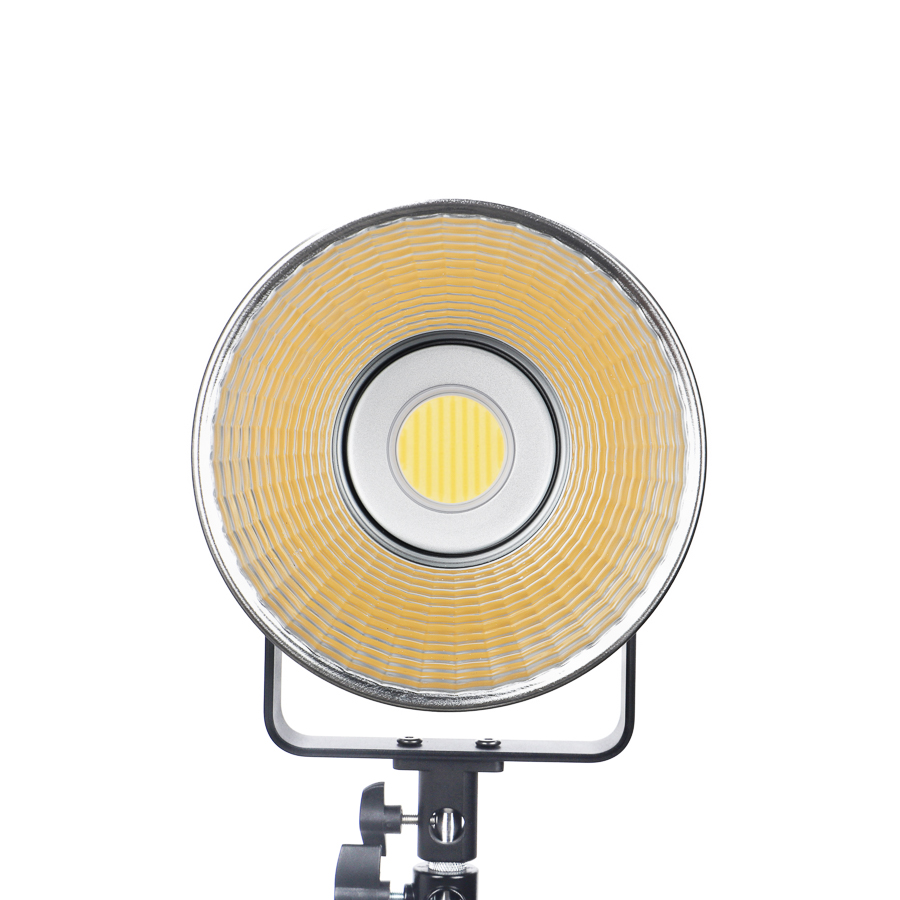
Zalety świateł miękkich

Światła miękkie są często preferowane w portretach, ponieważ zapewniają równomierne i delikatne oświetlenie, minimalizując ostre cienie. Istnieje wiele sposobów na uzyskanie efektu światła miękkiego, co sprawia, że są one wszechstronnym narzędziem w tworzeniu wysokiej jakości zdjęć i filmów.

Zastosowanie modyfikatorów światła

Modyfikatory światła, takie jak softboxy, parasole czy panele dyfuzyjne, pozwalają dostosować charakter światła do konkretnych potrzeb projektowych. Kontrolują kierunek, intensywność i rozproszenie światła, umożliwiając uzyskanie pożądanych efektów w twórczej produkcji.

Balansowanie różnych źródeł światła

W wielu przypadkach konieczne jest balansowanie różnych źródeł światła, na przykład światła naturalnego z lampami studyjnymi. Poprawne dostosowanie balansu oświetlenia pozwala uzyskać naturalny wygląd obrazu, unikając niepożądanych efektów, takich jak prześwietlenia czy zbyt głębokie cienie.

Techniki oświetleniowe w studiu

Wiedza na temat podstawowych technik oświetleniowych, takich jak światło kluczowe, wypełniające i tła, jest kluczowa dla osiągnięcia pożądanych efektów w fotografii i filmie. Zrozumienie ich zastosowania umożliwia kreatywne eksperymentowanie i osiąganie unikalnych rezultatów.

Przykłady zastosowań oświetlenia stałego

Oświetlenie stałe znajduje szerokie zastosowanie w dziedzinie fotografii i filmu, od portretów po zdjęcia reklamowe, od produkcji filmów fabularnych po teledyski muzyczne. Pozwala na tworzenie wysokiej jakości obrazów z zachowaniem pełnej kontroli nad oświetleniem i kompozycją.

Porady dotyczące oświetlenia

Aby uzyskać najlepsze efekty w pracy z oświetleniem stałym, warto korzystać z praktycznych porad i wskazówek. Zrozumienie podstawowych zasad oświetlenia oraz eksperymentowanie z różnymi technikami oświetleniowymi pozwala na osiągnięcie wyjątkowych rezultatów w fotografii i filmie.

Sesja biznesowa z jedną lampą

Trendy w oświetleniu stałym

Świat oświetlenia stałego nieustannie ewoluuje, wprowadzając nowe technologie i trendy. Obecnie coraz większą popularność zdobywają światła LED, ze względu na swoją energooszczędność i wysoką jakość światła. Śledzenie najnowszych trendów pozwala być na bieżąco z nowinkami technologicznymi w dziedzinie oświetlenia.

Eksperymentowanie z oświetleniem

Eksperymentowanie z oświetleniem stałym jest kluczowym elementem rozwoju umiejętności fotograficznych i filmowych. Testowanie różnych konfiguracji oświetlenia pozwala odkryć nowe możliwości twórcze oraz osiągnąć unikalne efekty w swojej pracy.

Wpływ oświetlenia na nastrój

Oświetlenie stałe ma ogromny wpływ na atmosferę i nastroje w fotografii i filmie. Odpowiednio dobrana kompozycja światła może podkreślić emocje, tworząc intensywne i porywające wrażenia wizualne dla widza.

Podsumowanie: Kluczowe punkty dotyczące oświetlenia stałego

Oświetlenie stałe w studiu to nie tylko techniczny element produkcji, ale również potężne narzędzie do wyrażania swojej kreatywności. Zrozumienie podstawowych zasad oświetlenia oraz eksperymentowanie z różnymi technikami pozwala osiągnąć wyjątkowe efekty w fotografii i filmie. Pamiętaj, że oświetlenie to nie tylko sposób na oświetlenie obiektu, ale także na wyrażenie emocji i przekazanie historii za pomocą światła.
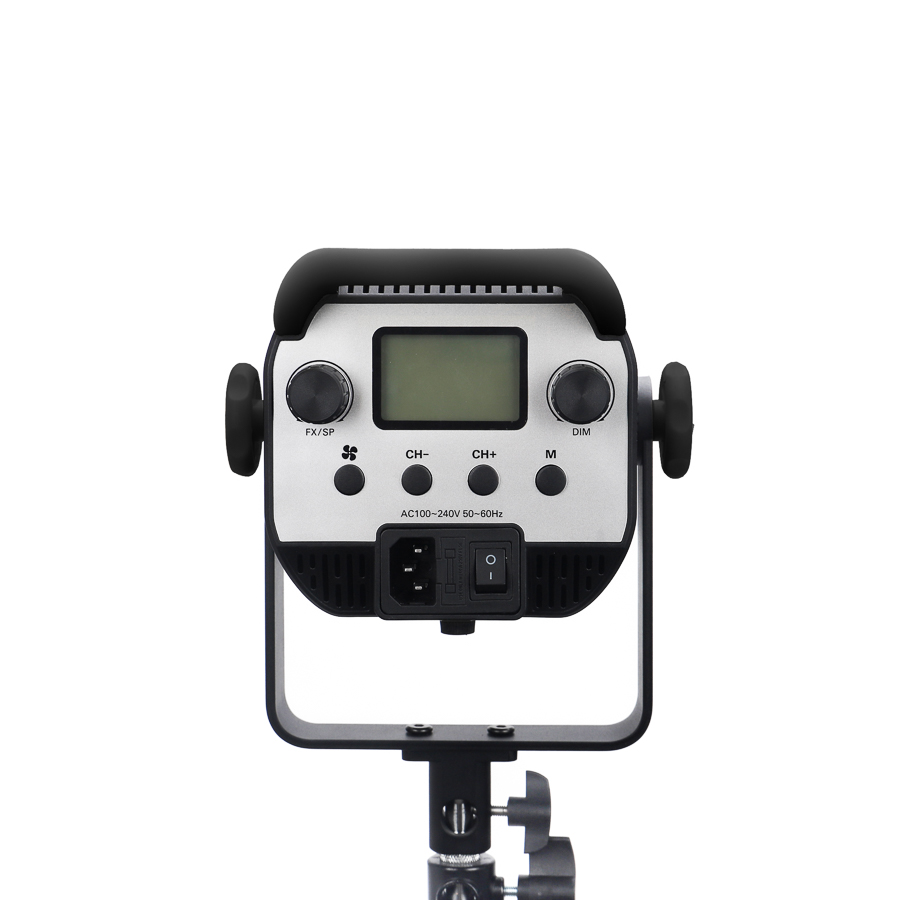
Permanent lighting in a photo or film studio is the foundation of the creative process, determining the final appearance of the image. Whether you’re a beginner photographer or an experienced director, understanding basic lighting concepts is crucial to achieving the desired results in your work.

Permanent lightingin a photo or film studio it plays a key role in shaping the atmosphere, mood and overall image quality. Whether you’re a beginner photographer or an experienced filmmaker, understanding basic lighting concepts is essential to achieving the desired results in your work. In this article, we will analyze seven important things to learn about permanent lighting in the studio.

Permanent lighting in the studio: basic information

Constant lighting, unlike flash lighting, emits constant light, which allows precise control over the lighting in real time. This is a key element in the photo and video production process because it allows you to capture the right lighting and shadows, which is crucial for the final visual effect.

Color temperature of constant light

Color temperature is one of the most important factors influencing the appearance of an image. Permanent lighting can have different color temperatures, expressed in kelvins (K). Daylight is usually around 5600K, while incandescent light is around 3200K. Choosing the right color temperature is crucial to maintaining natural colors in photography and video.

Types of permanent lights

In a photography or film studio, you will find a variety of types of fixed lights, each with its own features and uses. Continuous lamps, spotlights, LED and fluorescent lights are just some of them. Each type has its place in photo and video production, so it is important to understand their differences and capabilities.

Light intensity control

One of the advantages of constant lighting is the ability to precisely control the intensity of the emitted light. Thanks to intensity regulators, we can adjust the lighting to specific needs, which allows us to achieve the desired effects in terms of brightness and contrast.

Power and directionality of permanent lights

The power and directionality of constant lights are key factors influencing the final appearance of the image. The selection of appropriate light sources and their arrangement are important for obtaining the desired lighting and image composition.

Advantages of soft lights

Soft lights are often preferred in portraits because they provide even and soft lighting, minimizing harsh shadows. There are many ways to create a soft light effect, making them a versatile tool for creating high-quality photos and videos.

The use of light modifiers

Light modifiers, such as softboxes, umbrellas or diffusion panels, allow you to adjust the nature of light to specific design needs. They control the direction, intensity and dispersion of light, enabling you to achieve the desired effects in your creative production.

Balancing different light sources

In many cases, it is necessary to balance different light sources, for example natural light with studio lamps. Correctly adjusting the lighting balance allows you to obtain a natural-looking image, avoiding undesirable effects such as overexposure or too deep shadows.

Lighting techniques in the studio

Knowledge of basic lighting techniques such as key lighting, fill lighting, and background lighting is crucial to achieving the desired effects in photography and video. Understanding their use allows you to experiment creatively and achieve unique results.

Examples of applications of permanent lighting

Permanent lighting is widely used in the field of photography and film, from portraits to advertising photos, from the production of feature films to music videos. It allows you to create high-quality images while maintaining full control over lighting and composition.

Lighting tips

To get the best results when working with permanent lighting, it is worth using practical tips and tricks. Understanding the basic principles of lighting and experimenting with different lighting techniques allows you to achieve exceptional results in photography and film.

Sesja biznesowa z jedną lampą

Trends in permanent lighting

The world of permanent lighting is constantly evolving, introducing new technologies and trends. Currently, LED lights are becoming more and more popular due to their energy efficiency and high light quality. Following the latest trends allows you to stay up to date with technological innovations in the field of lighting.

Experimenting with lighting

Experimenting with constant lighting is a key part of developing your photography and filmmaking skills. Testing different lighting configurations allows you to discover new creative possibilities and achieve unique effects in your work.

Impact of lighting on mood

Constant lighting has a huge impact on the atmosphere and mood in photography and film. A properly selected light composition can emphasize emotions, creating an intense and captivating visual experience for the viewer.

Summary: Key points about permanent lighting

Permanent lighting in the studio is not only a technical element of production, but also a powerful tool for expressing your creativity. Understanding the basic principles of lighting and experimenting with different techniques allows you to achieve exceptional results in photography and film. Remember that lighting is not only a way to illuminate an object, but also to express emotions and convey a story through light.

PRO STUFF

Dostarczamy wysokiej jakości sprzęt studyjny przeznaczony do fotografii. Nieustannie nasz zespół pracuje, aby dostarczane przez nas produkty były innowacyjne.

Leave a Reply